Pavlova and Pipelines: Is this New Zealand's Infrastructure Moment?

Lisa-Marie Richan (L-M)
As a Government Affairs specialist, I’d accepted I was an Infrastructure bore, and the risks my host would be taking in inviting me to his potluck dinner.
I was to learn, however, that along with the cost of groceries, suddenly the country’s infrastructure problem had become a popular topic of concern, even in this casual social interaction.
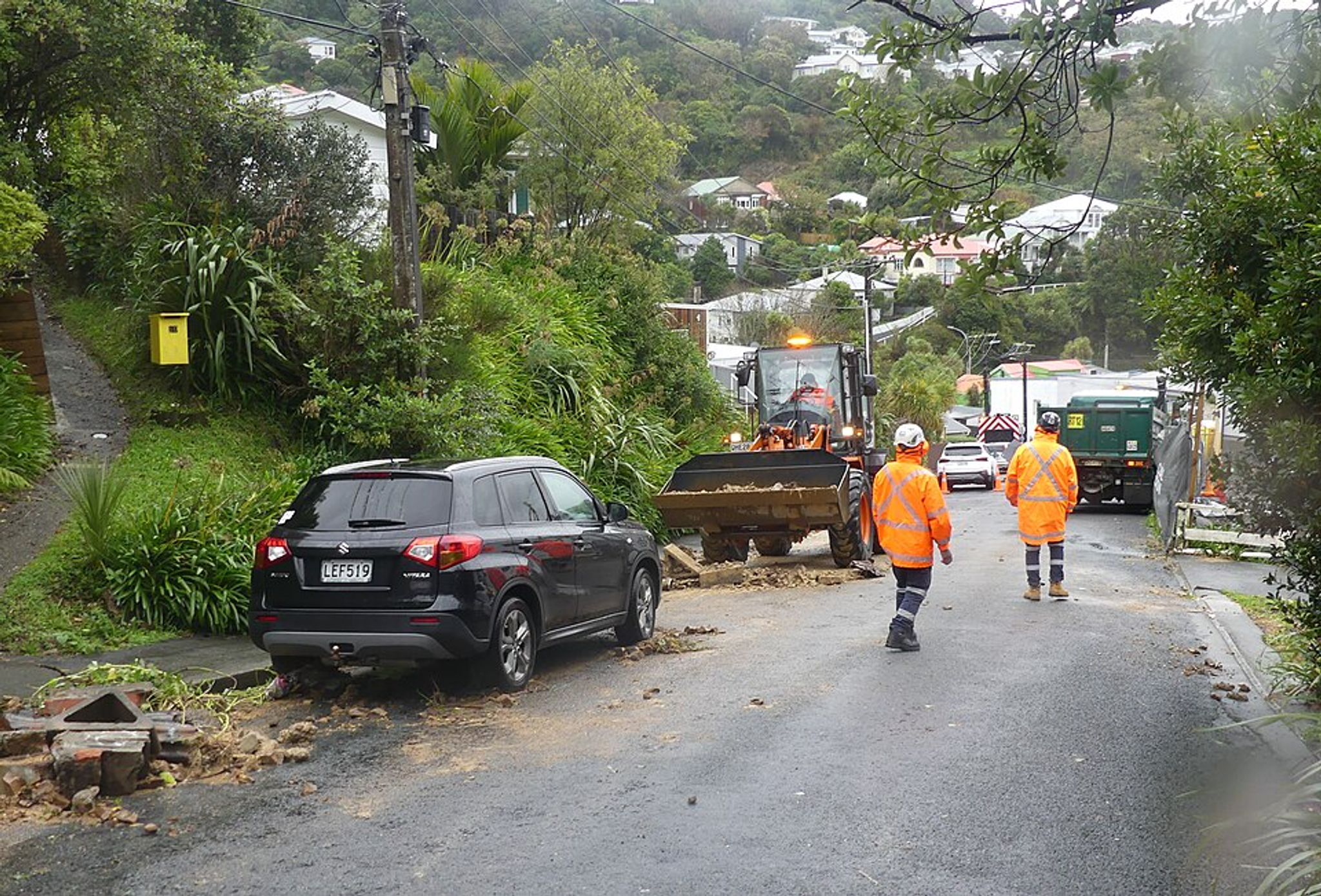
There was talk of the years of underinvestment, abandoned projects, and the absence of long-term planning that had left the country with ageing assets across transport, water, health, and housing.It appeared several had even read the recently released National Infrastructure Commission's 30-year plan which outlined the situation in no uncertain terms. Another guest recalled being an unlucky pedestrian during the famous Aro Street’s geyser incident as quite literally being his ‘Road to Damascus’ moment.Another asked whether we’d become 1980s Romania?
Talk turned to the impending General Election, only 36 months since the last one, with all agreeing that if there was ever a time to unite on one policy, this was now.
It seems we might get there, to a certain point.Both sides of the House welcomed the Commission’s plan with current Infrastructure Minister, Chris Bishop, talking of “infrastructure (that) lasts for generations" and that "where we can build durable consensus, we should.”
Labour has also signalled a meaningful shift.Chris Hipkins says the party would work in existing settings on infrastructure and RMA reform, even if they don’t fully represent the party’s preferences.
“What we won’t do is repeat the cycle that we’ve seen over the last couple of decades of a change of government leading to everything grinding to a halt for a period of time,” he recently told a Law Association conference.
“Where the [coalition] government have made decisions around infrastructure investment, even if they weren’t necessarily our first priority, we will keep going, because stopping and starting all the time is one of the reasons why everything takes so long,” Chris Hipkins said.
Last month, Hipkins started talking of the critical role of local authorities in the mix, joining central government in treating infrastructure as bi-partisan and requiring a real and "genuinely collaborative process."
This matters because such a complex agreement will be required to greenlight either a sea tunnel under, or a second bridge over, Auckland’s Waitematā Harbour, possibly even before the election.Minister Bishop says this decision will be “...the most significant in New Zealand Infrastructure” and it will certainly span a number of council and central government electoral cycles.
By the time the pavlova came out some around the table were feeling hopeful.Others were wondering if the real ‘devil would be in the detail’, including whether this would satisfy the Greens on the left, or the fossil fuel use supporters on the right, depending on the final poll results. Given the cost of infrastructure repair as well as new projects, would political unity provide enough reassurance to attract international investors to partner with a cost-constrained government?
The guests’ consensus landed at the need for more information.As they vie for voter support over the coming months, there’s an expectation parties will release policies that underpin this commitment.
One guest left for his Aro Valley flat clutching his umbrella.
“Just in case,” he said.
Photo credit: Alan Tennyson, via Wikimedia Commons (CC BY-SA 4.0)